
.png)
%20(1).png)
Inclusive Recreation:: Expanding Access to Recreation, Wellness, and Community
The Inclusive Recreation initiative helps individuals living with physical disabilities participate more fully in recreational, wellness, and community activities. Through partnerships, funding, and community-based programming, MO Better Foundation works to remove barriers and expand opportunities for meaningful participation.
Recreation plays an important role in physical health, emotional well-being, and social connection. However, individuals living with physical disabilities often face barriers to accessing recreational opportunities. Inclusive Recreation helps address these barriers by supporting adaptive equipment, inclusive programs, and community-based initiatives.
Why It Matters
Inclusive recreation helps individuals:
• Improve physical health and wellness
• Build social connections and friendships
• Increase confidence and independence
• Reduce isolation
• Improve emotional well-being
• Participate more fully in community life
Recreation is not just about activity — it is about connection, independence, and quality of life.
How It Works
The Inclusive Recreation initiative supports opportunities through:
-
Identification of Needs
MO Better Foundation works with individuals, community partners, and recreation providers to identify barriers and opportunities. -
Equipment and Program Support
Funding may be provided for adaptive equipment, inclusive programming, or community-based initiatives. -
Partnerships and Collaboration
MO Better collaborates with organizations to expand access and create inclusive opportunities. -
Implementation and Participation
Programs and equipment are implemented to support participation and accessibility. -
Follow-Up and Growth
MO Better continues working with partners to expand and improve inclusive recreation opportunities.
Who It Serves
Inclusive Recreation serves Missourians living with physical disabilities who want to participate more fully in recreational and community activities.
Participants may include individuals living with:
• Spinal cord injury
• Neuromuscular conditions
• Multiple sclerosis
• Cerebral palsy
• Stroke or brain injury
• Other physical disabilities
Examples of Inclusive Recreation
Examples may include:
• Adaptive sports programs
• Inclusive recreation equipment
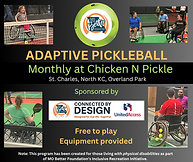
• Adaptive pickleball initiatives
• Adaptive fishing programs
• Community-based recreation opportunities
• Accessible outdoor recreation initiatives
• Other inclusive recreational opportunities
Partnerships
Inclusive Recreation is supported through partnerships with:
• Recreation organizations
• Community partners
• Disability organizations
• Adaptive sports providers
• Local community programs
These partnerships help expand access and create meaningful recreational opportunities.
Expected Outcomes
Through Inclusive Recreation, individuals may experience:
• Increased participation in recreation
• Improved health and wellness
• Stronger social connections
• Increased confidence and independence
• Improved quality of life
Inclusive Recreation helps individuals move beyond barriers and participate more fully in their communities.